Understanding Oven-Safe Glass Containers: Why They Matter
Glass food containers are a staple in modern kitchens, prized for their non-toxic nature and ability to preserve food freshness. However, not all glass containers are suitable for oven use. Using the wrong type can lead to dangerous breakage, food contamination, and wasted meals. This comprehensive guide dives deep into the world of oven-safe glass containers, providing you with the knowledge to make informed choices that protect your health and enhance your cooking experience.
The Science Behind Oven-Safe Glass
Glass containers heat through thermal expansion. When exposed to high temperatures, the material expands. If the expansion is uneven or too rapid, the glass can shatter. Oven-safe glass is designed to withstand these stresses. Key factors include:
- Thermal Shock Resistance: Glass with high thermal shock resistance can handle sudden temperature changes, like moving from a freezer to an oven.
- Composition: Borosilicate glass, used in brands like Pyrex, has a low coefficient of thermal expansion, making it less prone to cracking.
- Tempering: Some glass undergoes tempering to increase strength and durability.
Understanding these properties is crucial to avoid accidents and ensure your containers last.
Types of Glass Food Containers for Oven Use
Not all glass containers are created equal. Here’s a breakdown of the most common types:
- Borosilicate Glass: The gold standard for oven-safe glass. It can withstand temperatures up to 450°F (230°C) without breaking.
- Tempered Glass: Strengthened through thermal or chemical processes, it’s more durable than regular glass but still has limits.
- Laminated Glass: Layers of glass with plastic or resin in between, offering extra safety but often less heat resistance.
Always check the manufacturer’s guidelines for specific temperature limits.
Key Safety Features to Look For
When selecting a glass container for oven use, prioritize these features:
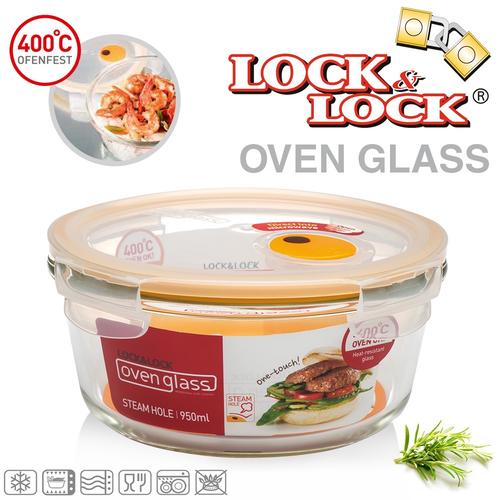
- Heat-Resistant Labels: Look for explicit markings indicating oven safety.
- Sturdy Lids: Ensure lids are also oven-safe to prevent leaks and maintain heat.
- Non-Toxic Coatings: Avoid containers with lead or cadmium, which can leach into food at high temperatures.
These features ensure your containers are both functional and safe.
Watch: Kalau kamu pilih oven apa nih? #oven #cake #kursusbakery #belajarbaking #bakeryindo
by Clara Jesslyn
How to Choose the Right Size and Shape
Size and shape impact both functionality and safety:
- Size: Choose containers that fit your oven racks and allow space for air circulation.
- Shape: Round or square containers distribute heat more evenly than irregular shapes.
- Handles: Containers with sturdy handles are easier to remove from the oven.
Consider your cooking habits to select the most practical options.
Expert Tips for Using Glass Containers in the Oven
Even the safest glass can fail if misused. Follow these expert tips:
- Gradual Heating: Avoid placing cold glass into a hot oven; allow it to warm gradually.
- Avoid Thermal Shock: Never pour boiling water into a cold glass container.
- Check for Damage: Discard any cracked or chipped containers immediately.
These precautions prevent accidents and extend the life of your containers.
Maintenance and Longevity
Proper care ensures your glass containers last:
- Cleaning: Use mild detergent and avoid abrasive scrubbers.
- Storage:
- Avoid Extreme Temperatures: Don’t store glass containers in direct sunlight or near heat sources.
Regular maintenance keeps your containers in top condition.
Comparing Glass with Other Materials
Glass isn’t the only option. Here’s how it stacks up:
- Glass vs. Ceramic: Both are oven-safe, but ceramic retains heat better.
- Glass vs. Metal: Metal heats faster but can react with acidic foods.
- Glass vs. Plastic: Glass is non-toxic and reusable, while plastic may leach chemicals.
Understanding these comparisons helps you make the best choice for your needs.
Conclusion: Making the Safe Choice
Selecting oven-safe glass containers is an investment in your family’s health and culinary success. By prioritizing thermal resistance, safety features, and proper usage, you can enjoy the benefits of glass without the risks. Remember to always follow manufacturer guidelines and replace damaged containers promptly. With this knowledge, you’re well-equipped to choose containers that make every meal both delicious and safe.